Avoid Common Problems with Garden Rubbish Collection in Ickenham
Garden waste has a funny way of building up when you are least ready for it. One weekend you trim a hedge, pull a few weeds, clear a border, and suddenly there is a green mountain of branches, soil, old pots, and bagged clippings. If you are trying to avoid common problems with garden rubbish collection in Ickenham, the good news is that most of the headaches are predictable. And once you know what tends to go wrong, you can plan around it.
This guide walks through the practical side of garden rubbish removal in a local Ickenham context: what usually causes delays, how to prepare waste properly, when a professional collection makes sense, and what to check before you book. It is written for homeowners, landlords, tenants, gardeners, and anyone who would rather have the patio clear by tea time than stare at a heap of cuttings for another week. Simple enough, really.
Why avoiding garden rubbish collection problems matters
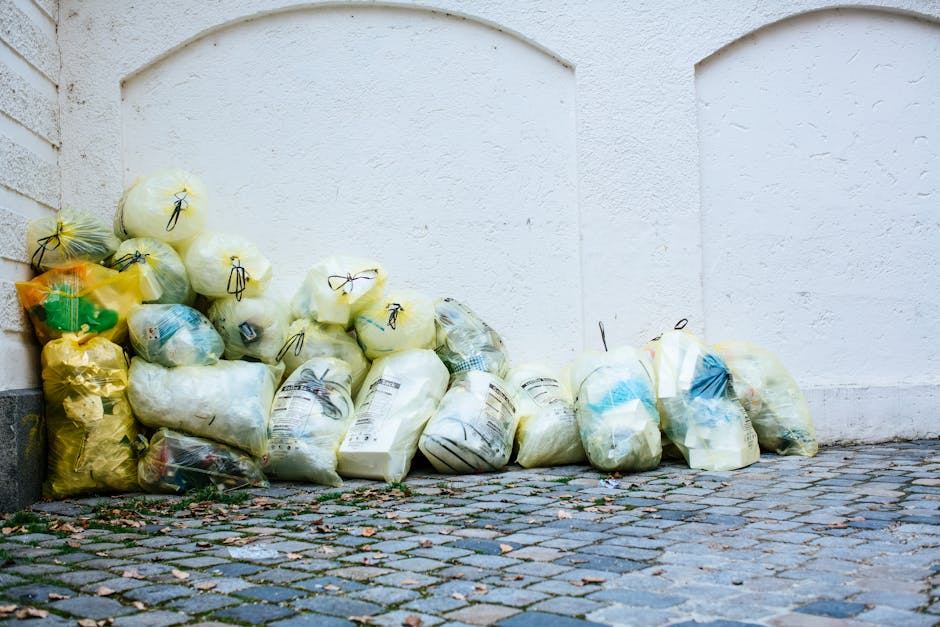
Garden rubbish collection sounds straightforward until it is not. Bags split in the rain, branches are too long to handle easily, mixed waste gets rejected, and the whole job starts costing more time than you expected. In Ickenham, where many properties have front gardens, side access, or shared driveways, a messy collection plan can also get in the way of neighbours, parking, and day-to-day routines.
The main reason this matters is simple: poor preparation creates friction. That friction shows up in missed collections, extra charges, poor loading efficiency, and avoidable stress. If you have ever stood in the garden on a damp morning trying to tie up half-dripping hedge trimmings while a van is due, you will know exactly what I mean.
There is also the environmental side. Garden waste is often suitable for composting or recycling when it is kept separate from general rubbish. Mix in plastics, old tools, rubble, or food waste, though, and the load may become harder to process responsibly. That is bad for efficiency and not great for sustainability either.
Practical takeaway: the best way to avoid common problems with garden rubbish collection in Ickenham is to sort early, measure the volume honestly, and choose the right collection method for the waste you actually have.
How garden rubbish collection works in practice
At a basic level, garden rubbish collection involves gathering green waste and garden-related materials, loading them safely, and transporting them for disposal, reuse, or recycling. The process is not complicated, but the details matter. A smooth collection usually depends on four things: what the waste is, how much there is, how accessible it is, and whether it is correctly separated.
Typical garden waste includes grass cuttings, hedge trimmings, leaves, small branches, weeds, plants, and sometimes soil in limited quantities. Depending on the service, you may also be able to include dead plants, old compost sacks, and broken terracotta. The awkward bits are usually the mixed items: old fencing, stones, treated timber, plant pots, bags of builder's debris from a garden project, and anything you are not sure about.
That is where problems begin. A collection team may refuse certain items if they do not match the booking, or they may need to change the price if the load turns out to be heavier or more mixed than expected. To be fair, that is not unreasonable. A bag of leaves and a stack of wet soil are two very different jobs.
If you are comparing different clearance services, it helps to look at the broader range of support available. For example, some households combine garden waste with other decluttering jobs such as home clearance or general waste removal when they are already making a bigger clean-up happen.
Key benefits and practical advantages
Done properly, garden rubbish collection saves more than space. It gives you a cleaner, safer outdoor area and usually makes the rest of the garden project feel far less overwhelming. That last part is not small. Once the waste is gone, the garden suddenly looks manageable again.
- Less clutter: open up paths, lawns, patios, and side access without piles of cuttings in the way.
- Safer surfaces: reduce slipping hazards from wet leaves, twigs, and hidden debris.
- Faster project completion: pruning, landscaping, and seasonal tidy-ups feel finished properly.
- Better sorting: separating green waste from general waste supports recycling and composting routes.
- Less physical strain: heavy bags, thorny branches, and repeated trips to a vehicle can be hard work.
- Cleaner curb appeal: useful if you are selling, letting, or just want the place to look cared for.
There is also a practical planning advantage. A well-organised collection can fit around busy family schedules, narrow access, and neighbourhood parking constraints. In areas like Ickenham, where space can be tight and access can be a little awkward, that matters more than people sometimes expect.
If the garden project includes damaged outdoor furniture, broken shed contents, or old seating left behind after a tidy-up, it may be worth looking at related services such as garden clearance or, where suitable, furniture disposal. That can save you from arranging multiple collections for one job. And honestly, who wants to do that twice?
Who this is for and when it makes sense
Garden rubbish collection is not just for people with large gardens. In practice, it helps a wide mix of customers:
- homeowners doing seasonal cut-backs or post-storm tidy-ups
- landlords preparing a property for new tenants
- tenants clearing a garden before checkout
- older residents who do not want to handle heavy bags and branches
- gardeners finishing a larger maintenance visit
- people tackling a one-off landscaping project
- busy households with no compost heap, allotment, or transport
It makes sense whenever the waste is too bulky, messy, or time-sensitive for your normal routine. Maybe the council collection window is not convenient. Maybe the green bin is already full. Or maybe you have just pruned the conifers and the amount is larger than expected. Happens all the time.
Sometimes the smartest move is to combine the garden job with another clearance task. For instance, if you are also emptying a shed, loft, or garage, it may be more efficient to book a broader clearance service such as garage clearance or loft clearance. That is especially helpful when the clutter has spread, as it often does.
Step-by-step guidance
If you want to avoid the usual collection problems, a simple process works better than guesswork. Here is the practical version.
- Walk the garden first. Look at everything that needs removing, not just the obvious pile in the middle. Small items add up fast.
- Separate waste into clear groups. Keep green waste apart from soil, rubble, timber, plastics, and general rubbish.
- Measure the volume roughly. You do not need a surveyor's notebook. A sensible estimate is enough for most bookings.
- Check access routes. Gates, narrow side passages, overhanging branches, parked cars, and awkward steps all affect collection.
- Bag or bundle where appropriate. Loose waste is harder to load and can take longer to clear safely.
- Remove prohibited items early. If something is not garden waste, take it out before collection day.
- Book the right service level. Make sure the collection matches the waste type and quantity, especially if the job is mixed.
- Leave the waste easy to reach. The less time spent moving items around on the day, the smoother the job tends to be.
A small tip that saves trouble: keep the heaviest bags at the top of the pile or closest to the access point, not buried underneath wet leaves and random offcuts. Sounds obvious, but people forget. Then the collection team arrives and the whole stack needs unpacking like a badly wrapped present.
If you are booking through an online system, it is sensible to review the service details and any booking notes carefully. A service such as book online is useful when you already know what needs collecting and want to keep the process simple.
Expert tips for better results
Here is the short version: the cleaner the separation, the easier the collection. But the real trick is thinking one step ahead of the mess.
1. Do not mix wet green waste with everything else. Wet clippings become heavier, smellier, and harder to handle. If you can let them drain briefly, do it.
2. Cut long branches down to manageable lengths. Oversized branches take more time to move and may need additional handling. If you can safely reduce them before the pickup, you probably should.
3. Keep an eye on hidden extras. It is very common to find plant pots, broken edging, old hose reels, and bits of fence mixed in with the cuttings. That is where collection problems start.
4. Think about the weather. A dry afternoon is easier than a wet morning. Not always possible, of course, but if you have the choice, it helps. Damp waste is heavier and less pleasant to work with.
5. Plan for awkward access early. If a driveway is narrow or the only route runs past flowerbeds, you do not want to discover that after the bags are stacked.
6. Ask about mixed loads before you book. Some jobs include green waste plus a little general garden junk. Others do not. It is better to clarify than to assume.
Expert summary: in our experience, the smoothest garden rubbish collections are the ones where the customer has already sorted the waste, cleared the access path, and been honest about volume. No drama, no surprises, job done.
If the garden waste is part of a broader sustainability push, some homeowners also look at ways to reduce landfill use and improve recycling habits. Resources like recycling and sustainability can help frame that thinking in a practical way.
Common mistakes to avoid
Most collection problems come down to a handful of avoidable mistakes. The good news is that none of them are especially mysterious.
- Guessing the volume: underestimating the amount can lead to delays or extra handling.
- Leaving mixed waste in one pile: this is one of the quickest ways to cause a collection dispute.
- Forgetting about soil and rubble: heavy material often needs separate handling from green waste.
- Not checking access: a pile behind a locked gate or narrow path creates unnecessary hassle.
- Booking the wrong service: garden waste is not the same as builders' waste, and it is not the same as household junk either.
- Waiting until the garden is overflowing: the bigger the pile, the more stressful the job usually becomes.
- Assuming everything can go in one go: some items need different treatment, especially if they are bulky, treated, or hazardous.
One common example is the "I only meant to clear the beds" situation. Then the old broken chair appears, the half-rotted shed panel gets dragged out, and suddenly you have a mixed load on your hands. That is normal, but it needs to be planned properly.
Another common issue is hidden hazard material. Garden jobs sometimes uncover old paint tins, sharp metal, pesticides, or treated timber. Those items should not be treated like ordinary green waste. If you are unsure, pause and check before adding them to the pile.
Tools, resources and recommendations
You do not need a van full of equipment to organise garden rubbish collection well, but a few simple tools make a big difference.
- Heavy-duty rubble sacks or garden waste bags: useful for clippings, leaves, and smaller material.
- Tarpaulin sheets: handy for keeping piles together and reducing mess on driveways.
- Pruners and loppers: help reduce branch size before collection.
- Wheelbarrow or garden trolley: makes moving waste to the access point much easier.
- Gloves and sturdy footwear: basic, but worth saying.
- Clear labels or separate stacks: useful if you have mixed waste types.
For larger jobs, it can also help to look at the full range of clearance options available. A garden project that spills into the house or outbuildings may be better handled alongside house clearance or even furniture clearance if old outdoor items are being replaced at the same time.
If you want to compare service scope, the most useful questions are plain ones: What waste do they take? How do they handle mixed loads? What access do they need? What happens if the pile is bigger than expected? Simple questions, but they save a lot of bother.
You can also review a company's wider service pages before booking. It gives you a feel for how they handle different types of clearance, from builders' waste clearance to household and garden removals. That breadth matters when your garden job has a bit of everything in it.
Law, compliance, standards, and best practice
Garden waste collection is not just a practical task; it also sits within a broader duty of care around waste handling. You do not need to become a compliance expert, but it is worth knowing the basics. In the UK, waste should be transferred responsibly to someone who is appropriately set up to carry it. That means you should be careful about who handles your rubbish and where it ends up.
Best practice usually means:
- separating garden waste from general household waste where possible
- keeping hazardous or unknown items out of the load
- using a service that explains how waste is handled
- avoiding fly-tipping or informal dumping, even if it seems convenient at the time
- keeping records or confirmation of what was collected, especially for larger clearances
There is also a health and safety angle. Thorny branches, broken pots, heavy sacks, mouldy compost, and sharp metal pieces can all create avoidable risk. If a job looks awkward or physically demanding, it is sensible to choose a method that reduces handling, lifting, and repeated trips.
For anyone who wants reassurance about service standards, it can help to review a company's operational policies. Pages such as insurance and safety and health and safety policy give a clearer picture of how a provider approaches risk and responsibility. That sort of transparency is a good sign. Not flashy, just sensible.
Options, methods, and comparison table
There is more than one way to handle garden rubbish, and each method suits a different situation. The best choice depends on volume, timing, access, and how mixed the waste is.
| Method | Best for | Advantages | Drawbacks |
|---|---|---|---|
| DIY bagging and local disposal | Small tidy-ups and light green waste | Low cost if you already have transport; flexible timing | Time-consuming; heavy lifting; limited capacity |
| Garden waste bin or council-style collection | Regular light garden waste | Simple for ongoing maintenance; straightforward for small volumes | May not suit bulky loads, mixed waste, or urgent clearances |
| Professional garden clearance | Medium to large jobs, awkward access, mixed garden waste | Fast, convenient, less manual effort, usually better for larger volumes | Higher cost than DIY; may require clearer sorting |
| Full property clearance with garden add-on | When the garden is part of a bigger declutter | Efficient if you are clearing multiple areas at once | Needs good planning to keep the job organised |
For a lot of Ickenham households, the sweet spot is professional collection for the heavy lifting, combined with a little prep beforehand. That gives you the convenience without the chaos. If you are trying to keep costs predictable, checking pricing information early can help too, especially on broader jobs. A page like pricing and quotes is a sensible place to start.
Case study or real-world example
A typical local example goes like this. A homeowner in Ickenham spends a weekend cutting back hedges, pulling ivy, and clearing a narrow side bed that has not been touched properly for months. By Sunday afternoon there are three large sacks of clippings, several bundles of branches, a broken plastic planter, and an old sack of soil that has become far heavier than anyone expected.
At first, the pile looks manageable. Then it rains. Of course it rains. By the time the collection day comes, the waste is wet, scattered, and awkward to move because the access path is still half blocked by a wheelbarrow and a stack of pots. The collection still happens, but only after everything is re-sorted and the heavier material is separated from the green waste.
Now compare that with the smoother version. The same homeowner trims the branches into shorter lengths, sets aside the pot and soil bags separately, keeps access clear, and places everything in one tidy zone near the drive. The collection is faster, less stressful, and there are no last-minute surprises. It is not glamorous work, let's face it, but it feels much better when done cleanly.
This kind of job also shows why some people choose a broader clearance route when the garden is part of a longer list. If you have garden waste plus furniture, broken storage items, or general household clutter, using a service that can handle related items such as mattress and sofa disposal may make the whole project more efficient.
Practical checklist
Use this quick checklist before collection day. It is the kind of list that saves you from standing outside at 8 a.m. wondering where the last pile came from.
- Have I separated green waste from general rubbish?
- Have I removed soil, rubble, and stones if they need different handling?
- Have I checked for anything hazardous or sharp?
- Have I cut oversized branches down to a sensible size?
- Is the waste stacked somewhere easy to reach?
- Have I cleared the access route for loading?
- Do I know roughly how much waste there is?
- Have I confirmed what the collection will and will not take?
- Have I bagged or bundled loose material where useful?
- Is there enough space for the team to work safely?
Quick reminder: if a load includes a few items that do not belong with the garden waste, take them out now. It takes two minutes and saves a lot of awkwardness later.
Conclusion
The easiest way to avoid common problems with garden rubbish collection in Ickenham is to keep the job simple, honest, and well sorted. Know what you have, separate it properly, think about access, and choose the right collection method for the amount of waste you need removed. That is the core of it.
Most issues are not dramatic. They are little things that pile up: a mixed load, a blocked path, a misjudged volume, a wet pile, a forgotten branch hidden under the bags. Sort those details in advance and the whole experience becomes much smoother. More predictable too, which is oddly comforting on a busy week.
If your garden project is larger than expected, or if the waste is becoming one more thing on an already full list, it can help to book support early and keep the day moving. That way you get the space back sooner, and the garden starts feeling usable again rather than like a waiting room for old cuttings.
Get a free quote today and see how much you can save.
And once the last bag is gone, take a moment. Stand there, breathe in the fresh cut grass, and enjoy the bit many people forget: the quiet satisfaction of a cleared garden.
Frequently Asked Questions
What counts as garden rubbish?
Garden rubbish usually means grass cuttings, leaves, weeds, hedge trimmings, small branches, dead plants, and similar organic waste. Some services may also take pots, soil, and broken garden items, but that depends on the provider and the booking.
Can I mix garden waste with general household rubbish?
Usually not if you want a smooth collection. Mixed waste is one of the most common reasons for delays or price changes. It is better to keep green waste separate from plastics, food waste, old furniture, and general clutter.
How do I avoid extra charges for garden rubbish collection?
Be accurate about the volume, sort the waste properly, and check what the service will take before collection day. Extra charges often happen when the load is larger or more mixed than described. A little honesty goes a long way here.
What should I do with soil and rubble from the garden?
Soil, stones, and rubble are usually treated differently from green waste because they are heavier and may need separate handling. Check in advance whether they are accepted in the same collection. If not, separate them out before the team arrives.
Is same-day garden rubbish collection possible in Ickenham?
Sometimes, yes, depending on availability and the type of waste. Same-day bookings are often easiest when the waste is already sorted and access is straightforward. If you want a broader overview, the page on same-day rubbish collection in Ickenham is a useful reference point.
Do I need to be present during the collection?
That depends on the service and the access arrangements. Many people prefer to be there for the first five minutes to confirm the waste and answer quick questions, then leave the team to it. It is often the simplest approach.
What if I have branches, old pots, and some broken furniture too?
That is common. The important thing is to separate what is garden waste from what is furniture or mixed household waste. For larger mixed clearances, it may help to use services that cover related items, such as furniture clearance or a wider garden clearance booking.
How far in advance should I book a collection?
For non-urgent jobs, booking a few days ahead usually gives you more choice and less stress. If the garden waste is piling up after a big prune or a storm, you may want to book as soon as possible so it does not become a bigger job than it needs to be.
Can garden rubbish be recycled or composted?
Much of it can, especially clean green waste. Leaves, grass, and clippings are often suitable for composting or recycling routes when kept separate. Mixed or contaminated waste is harder to process responsibly, which is why sorting matters.
What is the biggest mistake people make with garden rubbish collection?
The biggest mistake is usually underestimating the amount of waste and mixing too many different items together. Once that happens, access gets harder, sorting takes longer, and the job feels much bigger than it should. A clear plan avoids most of that drama.
Should I use a skip or a collection service for garden waste?
It depends on the job. A skip can suit ongoing or larger projects, but it needs space and usually more manual loading. A collection service is often better when access is tight, the job is mixed, or you want the waste removed without managing it yourself. If you are comparing methods, a page like what can go in a skip can help you judge fit.
What if I am not sure whether an item can be taken?
Set it aside and ask before collection day. That is the safest approach for anything sharp, treated, oily, or unusual. When in doubt, treat the item as separate rather than adding it to the garden pile. It saves time, and it avoids awkward conversations on the drive.