Health and Safety Policy — Flat Clearance Ickenham
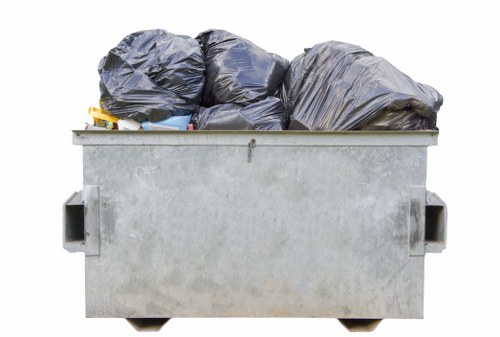 Purpose: This Health and Safety Policy sets out the commitment of our flat clearance team to maintain safe working conditions for staff, clients and the public during every project. The policy applies to all aspects of our clearance service, including domestic flat clearance, rubbish removal and bulky waste handling. It outlines responsibilities, risk assessment procedures and operational controls designed to reduce harm, prevent environmental damage and ensure that each clearance is completed in a safe, efficient manner. Safety is integral to our service delivery and underpins our approach to all removals.
Scope and Responsibilities
The policy covers site preparation, manual handling, transportation of waste, segregation of materials, and secure disposal routes. Everyone engaged in a clearance activity, from operatives and supervisors to subcontractors, has a part to play. The company will provide adequate training, supervision and resources to meet this policy. Managers are responsible for ensuring that risk assessments are completed; operatives must follow safe systems of work and report any hazards promptly. The policy complements statutory requirements for rubbish removal in Ickenham and surrounding service areas without asserting legal advice. Key duties include:
- Conducting pre-job site assessments identifying hazards related to access, waste types and structural condition.
- Providing suitable personal protective equipment (PPE) such as gloves, high-visibility clothing and respiratory protection where needed.
- Ensuring vehicles are loaded and secured to prevent shifting during transit.
Risk Assessment and Safe Systems
All clearances are subject to a documented risk assessment. This includes evaluating manual handling risks, potential exposure to hazardous materials (for example asbestos-containing debris or sharps), slip and trip hazards, and risks associated with confined spaces such as stairwells or lift lobbies. Safe systems of work are developed from these assessments and are adapted to each flat clearance, whether the job is a single-item rubbish collection or a full flat clearance service.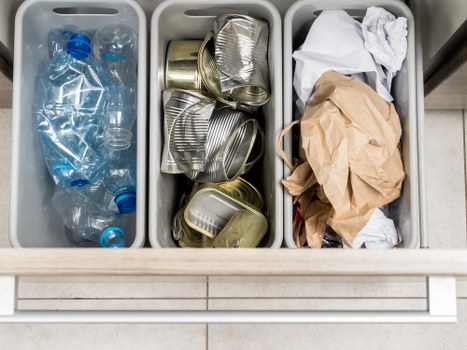 Training and competence are central to executing these systems. Staff receive instruction in correct lifting techniques, specialist handling of fragile items and the safe use of trolleys, sack trucks and lifting aids. We maintain records of training and require refresher sessions to keep ability current. Operatives are empowered to stop work if conditions become unsafe and to seek guidance from supervisors, ensuring a culture where safety concerns are acted upon immediately.
Hazardous materials and waste segregation — Where potentially hazardous items are identified, they are segregated and handled according to established procedures. This includes battery disposal, electrical items, paints and solvents, and suspected asbestos-containing materials. We use labelled containers and segregated loads to prevent cross contamination and ensure compliant disposal. Our approach minimizes environmental risk and ensures waste types are directed to appropriate facilities.
Monitoring, Reporting and Continuous Improvement
Regular site inspections and job audits are conducted to monitor adherence to this policy. Records of incidents, near misses and corrective actions are maintained and reviewed to drive continuous improvement. Incident reporting is treated seriously; investigations identify root causes and lead to adjustments in procedures, training and equipment. This cycle supports safer outcomes for all clearance activities and helps refine our rubbish removal practices across service areas. Emergency procedures and first aid — Clear emergency arrangements are in place for every job. Operatives are briefed on access routes, assembly points and emergency contacts at the start of each task. First aid kits and trained first-aiders are available on-site where practicable, and fire safety measures are integrated into planning for each clearance. Cooperation with building managers or property owners is sought to ensure fire escapes and services are identified before work begins.
 Commitment and review: We are committed to maintaining high standards of health and safety for all flat clearance operations. Regular policy reviews ensure alignment with best practice and emerging standards in waste management and rubbish removal services. By combining robust planning, competent staff, appropriate equipment and a proactive safety culture, we aim to deliver a reliable, safe clearance service while protecting people and the environment. Every team member is expected to read, understand and apply this policy as part of their role in delivering quality clearance projects.