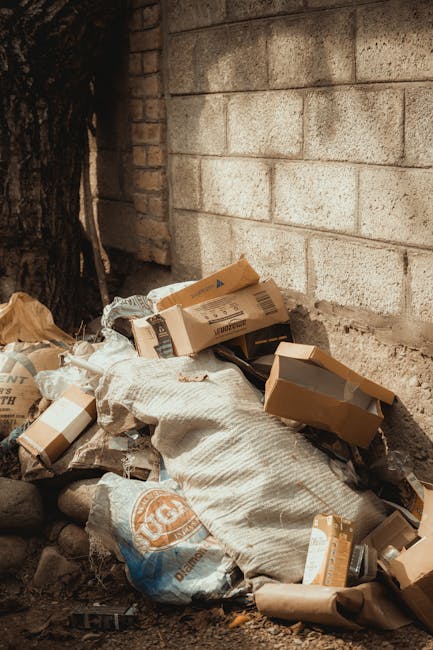
Swakeleys House bulky rubbish pickup case study in Ickenham
If you have ever faced a stubborn pile of bulky waste and thought, "Where on earth does this all go?", you are in the right place. This Swakeleys House bulky rubbish pickup case study in Ickenham looks at what a practical clearance can involve, why it matters to local residents and property managers, and how to handle the job without turning it into a weekend of stress, lifting, and guesswork. Bulky rubbish is rarely just "rubbish" - it is often a mix of furniture, broken appliances, old storage items, garden debris, and bits left behind after a move, refurbishment, or long-overdue tidy-up.
In real life, the challenge is not only removing the waste. It is planning access, separating recyclable items, avoiding damage to the property, and making sure everything is handled responsibly. That is especially true in a place like Ickenham, where homes, shared access routes, and period buildings can make a simple collection a bit more involved than expected.
This article breaks the topic down in a clear, human way. You will see how a bulky rubbish pickup is typically organised, what good practice looks like, where people get caught out, and which services on the site may be relevant if your needs extend beyond one pickup. If you are comparing a one-off clearance with a more structured waste removal or a full house clearance, this guide should help you make a sensible call.
Table of Contents
- Why Swakeleys House bulky rubbish pickup case study in Ickenham Matters
- How Swakeleys House bulky rubbish pickup case study in Ickenham Works
- Key Benefits and Practical Advantages
- Who This Is For and When It Makes Sense
- Step-by-Step Guidance
- Expert Tips for Better Results
- Common Mistakes to Avoid
- Tools, Resources and Recommendations
- Law, Compliance, Standards, or Best Practice
- Options, Methods, or Comparison Table
- Case Study or Real-World Example
- Practical Checklist
- Conclusion
- Frequently Asked Questions
Why Swakeleys House bulky rubbish pickup case study in Ickenham Matters
Bulky rubbish can become a real problem surprisingly quickly. One broken sofa becomes two items. Then there is a wardrobe panel leaning in the hall, an old fridge in the corner, a stack of flat-pack offcuts, and a few garden leftovers by the side gate. Before you know it, the space feels cluttered, less usable, and a bit heavy. Truth be told, that visual clutter has a way of making a property feel more stressful than it is.
For Swakeleys House and similar properties in Ickenham, bulky rubbish pickup matters because it often sits at the intersection of access, safety, presentation, and timing. A managed pickup helps restore usable space without the disruption of a long clear-out. It also reduces the risk of people trying to move heavy items on their own, which is where injuries and accidental damage tend to happen.
There is also a practical local angle. In areas with shared entrances, narrow driveways, or limited parking, a poorly planned clearance can frustrate neighbours and waste time. A good pickup is not just about speed; it is about making the job feel calm and controlled. That is the difference between "we got rid of the pile" and "we handled the clearance properly".
Expert summary: A bulky rubbish pickup works best when it is treated as a small logistics job, not just a lifting job. Measure access, identify item types, separate anything special, and know what needs careful handling before collection day.
If you are dealing with furniture, the dedicated furniture clearance and furniture disposal services can be especially useful where bulky household items form most of the load. For mixed domestic waste, a broader home clearance may be the better fit.
How Swakeleys House bulky rubbish pickup case study in Ickenham Works
At a practical level, the process usually follows a straightforward pattern. The details vary depending on access, volume, and the type of waste, but the flow is similar in most well-run jobs.
1. Initial assessment
The first step is understanding what actually needs removing. That might sound obvious, yet it is where many clearances start to wobble. A single "bulky pickup" can include different categories: furniture, white goods, mattresses, dismantled shelving, garden waste, or construction offcuts. If the load is mixed, it helps to know that early.
2. Access planning
Before anything is lifted, the route matters. Can items be moved through a front entrance without scraping paintwork? Is there a side passage? Is there lift access, a narrow staircase, or a shared path that needs to stay clear? Small things make a big difference. A quick look at the site often prevents a lot of faff later on.
3. Safe lifting and loading
Bulky items are usually removed by hand with proper lifting technique and, where needed, the right equipment. This is not the moment for improvisation. Large wardrobes, soaked mattresses, or broken appliances can be awkward, unstable, and heavier than they look. In our experience, the item that seems "light enough" is often the one that causes the most trouble. Funny how that works.
4. Sorting for reuse, recycling, and disposal
A good pickup is not just a van full of mixed waste. Items should be separated where possible. Reusable pieces may be directed away from disposal, and recyclable materials should be kept out of general waste when practical. If you are interested in the wider environmental angle, the site's recycling and sustainability information gives a useful sense of how responsible disposal should be approached.
5. Final sweep and handover
Once the bulky rubbish is gone, the area should be left tidy and checked over. This is one of those small steps that people remember. A swept porch, cleared hallway, or empty garage floor can make the whole place feel lighter immediately. You notice it straight away, especially first thing in the morning.
If the pickup is part of a larger property tidy-up, it may be worth looking at related services such as garage clearance, loft clearance, or even flat clearance if the items are being removed from a smaller residence or upper-floor property.
Key Benefits and Practical Advantages
The appeal of a bulky rubbish pickup is not just that it makes things disappear. It solves a handful of problems at once, which is why people often choose it over trying to deal with the waste themselves.
- Less physical strain: Heavy lifting is hard work, and some items are awkward enough to make DIY removal risky.
- Faster turnaround: A coordinated pickup can clear a space far more quickly than multiple trips to a disposal site.
- Cleaner property presentation: Helpful if you are preparing for letting, sale, or maintenance work.
- Reduced disruption: Especially useful where family routines, staff access, or neighbours could be affected.
- Better waste handling: Proper sorting supports recycling and avoids casual disposal mistakes.
- More predictable outcome: When the load is assessed in advance, there are fewer surprises on the day.
There is another benefit that people sometimes overlook: momentum. Once the big items are gone, the rest of the decluttering becomes easier. That old "we should get rid of that too" feeling suddenly kicks in. It is a small psychological shift, but it matters.
For households or landlords managing a wider refresh, the service can also connect naturally with mattress and sofa disposal or fridge and appliance removal where the bulky waste includes especially awkward items.
Who This Is For and When It Makes Sense
This kind of pickup suits a wide range of people, and not just homeowners. If bulky waste is getting in the way of everyday use, the timing is probably already right.
Typical situations include:
- End-of-tenancy or move-out clearances
- Renovation prep and post-project tidying
- Clearing storage spaces that have become overflow zones
- Removing damaged or outdated furniture
- Managing inherited belongings that need sorting
- Preparing a property for sale or re-letting
- Emptying out a garage, loft, or basement area
It also makes sense for people who have the items to clear but not the time, vehicle, or physical ability to move them. That is a fair reason all on its own. No shame in that. Some jobs are simply easier handled by a team who does this every day.
If you are a business owner or facilities manager dealing with bulky waste from an office or commercial space, the more relevant route may be business waste removal or office clearance. For builders' leftovers, take a look at builders waste clearance instead.
Step-by-Step Guidance
Here is a practical way to approach a bulky rubbish pickup so the day goes smoothly.
- List every item. Write down what is being removed and note anything heavy, fragile, damp, sharp, or unusually awkward.
- Check access points. Measure doorways, stair turns, gates, and any tight corners. If an item barely fits, it needs extra planning.
- Separate special waste early. Appliances, mattresses, and potentially hazardous items should be identified before collection day.
- Clear the route. Move small objects, plant pots, bins, and anything else that could slow the team down or trip someone up.
- Confirm timing. Pick a slot that fits around parking, neighbours, building rules, and your own schedule.
- Prepare payment and paperwork. Keep the process straightforward. Nobody enjoys scrambling around for details when the van is already outside.
- Do a final walkthrough. Check cupboards, under stairs, sheds, and corners where a stray item can hide.
If part of the load could be reused or donated, set those items aside separately. You do not want good furniture mixed in with broken furniture if it can be avoided. Small effort, big payoff.
A small but useful tip: if the waste includes documents or paperwork, consider whether confidential shredding is more appropriate for sensitive material than general disposal. It is one of those details people forget until the last minute.
Expert Tips for Better Results
There are a few habits that make a bulky rubbish pickup noticeably smoother. None are complicated. They are just the kinds of things experienced teams tend to do automatically.
- Photograph the load before collection. It helps with planning, especially if you are coordinating remotely.
- Keep a separate pile for "maybe" items. If you are undecided, isolate them. It reduces mistakes.
- Check for hidden extras. Drawers, shelves, and cupboards often contain more than expected. Always.
- Avoid over-packing access areas. A crowded hallway slows everything down and increases the chance of scuffs.
- Flag anything delicate nearby. Mirrors, banisters, and light fittings need a little space and care.
- Use the right service for the job. A one-off pickup is not the same as a full property clearance.
Another good habit is to ask what happens to the items after removal. Not every provider handles materials in the same way. Responsible disposal and recycling should be part of the conversation, not an afterthought.
If the job is mostly household furniture, the most relevant next read is probably furniture clearance. If the property includes outbuildings or outside clutter, garden clearance can help cover the messy bits that tend to accumulate quietly over time.
Common Mistakes to Avoid
Most pickup problems are preventable. The same mistakes crop up again and again, usually because people are trying to save time. Ironically, that is often what creates the delay.
1. Assuming everything is standard rubbish
A bulky pickup may contain items that need separate handling. Appliances, upholstered furniture, and mixed materials all deserve a bit more thought.
2. Forgetting access matters
A van may be nearby, but if the route is blocked or the item cannot pass through a doorway, the team has to work around it. That can be sorted, but not if nobody has mentioned it.
3. Leaving sorting until collection day
Once the team arrives, time starts moving. Sorting on the fly is possible, but it is not ideal. It usually feels messier than it needs to.
4. Ignoring potential hazards
Broken glass, exposed nails, damp carpet, mouldy items, and old electronics can all create avoidable risk. Better to flag them early.
5. Choosing the wrong service type
If your clearance has grown beyond a few bulky pieces, a more complete solution may be better. A home clearance or house clearance can be more efficient than a series of smaller pickups.
Let's face it, most mistakes come down to trying to wing it. That works for a lot of everyday life. Waste clearance is not one of those moments.
Tools, Resources and Recommendations
You do not need specialist gear to prepare for a pickup, but a few simple tools help a lot.
- Measuring tape: Useful for doorways, stairs, and bulky furniture dimensions.
- Marker labels or tape: Helps you mark keep, remove, and uncertain items.
- Phone camera: A quick photo record can save time and prevent confusion.
- Basic gloves: Handy if you are moving small items before collection.
- Clear bags or boxes: Good for separating loose contents from the main bulky waste pile.
On the website, a few pages are particularly useful if you are trying to understand how to plan or budget the job. The pricing and quotes page is a sensible place to start if you want clarity before booking. If you are ready to move ahead, the book online page is the logical next step. And if you simply want to understand the company background first, the about us page is worth a look.
For anyone worried about site safety or contractor standards, the company's health and safety policy and insurance and safety information can be reassuring. It is nice to know those details are there, even if you hope never to need them.
Law, Compliance, Standards, or Best Practice
Bulky rubbish pickup in the UK should be approached with proper care. You do not need to become a waste-law expert to book a collection, but it is wise to understand the broad principles. Waste should be handled by people who are authorised to carry it, and it should be transferred, sorted, and disposed of responsibly. That includes taking care with items that may be hazardous, electrical, or difficult to recycle.
Best practice usually means:
- Checking whether any items need special handling
- Separating reusable or recyclable materials where practical
- Avoiding unsafe manual lifting
- Keeping access routes clear for workers and residents
- Using a provider that can explain what happens to the waste
Where a pickup includes fridges, freezers, or other appliances, extra care is needed because those items often involve different processing than ordinary household clutter. If that is part of your load, the fridge and appliance removal service may be more appropriate than a general collection.
Hazardous or potentially hazardous materials should never be casually mixed into a regular bulky pickup. If you suspect an item needs special disposal, keep it separate and ask for clear guidance through the right channel, such as the site's hazardous waste disposal information. It is always better to pause and check than to guess.
Options, Methods, or Comparison Table
There is no single right way to clear bulky rubbish. The best method depends on volume, access, item type, and urgency. Here is a simple comparison to help you think it through.
| Option | Best for | Strengths | Trade-offs |
|---|---|---|---|
| One-off bulky rubbish pickup | A few large items or a concentrated pile | Quick, convenient, minimal disruption | Less suited to whole-property clearances |
| Furniture-specific clearance | Sofas, wardrobes, tables, chairs, beds | Good for item-heavy household jobs | May need extra planning for mixed waste |
| Full house or home clearance | Multiple rooms or a property-wide sort-out | Efficient for larger volumes | More involved, needs better planning |
| Garage or loft clearance | Stored clutter, old boxes, seasonal items | Targets hard-to-manage spaces | Access can be fiddly |
| Builders waste clearance | DIY debris, renovation leftovers | Useful after building work | Not ideal for mixed domestic furniture |
If you are unsure which option suits you, start by asking one simple question: is this a few bulky items, or is it a proper space reset? That answer usually points you in the right direction.
Case Study or Real-World Example
Here is a realistic example of how a Swakeleys House bulky rubbish pickup in Ickenham might unfold in practice.
A property manager is preparing a large residence for a handover. The building has accumulated a mix of items over time: an old sofa, a damaged armchair, a broken chest of drawers, two mattresses, several bags of miscellaneous junk, and a few pieces of garden waste left near the side access. The hallway is narrow, the route through the house is tight, and the weather is grey enough to make everyone slightly less patient than they meant to be. Classic British clearance day, really.
The key to making the pickup smooth is preparation. The manager photographs the items, separates a couple of reusable pieces, checks that the side gate opens fully, and clears a passage through the hallway. Heavy items are flagged early. A fridge in the kitchen is identified as a separate appliance removal job rather than mixed into the general pile. That small decision saves time and avoids confusion.
On collection day, the team can work through the load in a sensible order. The bulky furniture goes first, followed by bags and smaller items. The outside waste is cleared last so the route stays open. The property is left tidy, and the manager can move on to cleaning and inspection instead of spending another afternoon dealing with leftovers.
The important part here is not that the job was dramatic. It was not. It worked because the right questions were asked early. That is what good clearance usually looks like: quiet, practical, and slightly unglamorous, which is exactly how you want it.
Practical Checklist
Use this simple checklist before booking or on the morning of a bulky pickup.
- Have you listed every item that needs removing?
- Have you separated anything reusable, sensitive, or hazardous?
- Are access routes clear from the item location to the exit?
- Have you checked doors, gates, stair turns, and parking space?
- Do you know whether the job is a pickup, a furniture clearance, or a wider property clearance?
- Have you identified appliances, mattresses, or other special items?
- Have you taken photos for reference?
- Are the keep and remove piles clearly marked?
- Have you confirmed timing and any building access rules?
- Do you know what happens next once the waste is collected?
If you can tick most of those off, you are in good shape. If not, no drama. It is better to pause and sort the plan than to rush into a messy one. A little extra thought now saves a lot of noise later.
Conclusion
The Swakeleys House bulky rubbish pickup case study in Ickenham shows that clearance work is rarely just about removal. It is about planning, access, safety, sorting, and choosing the right type of service for the scale of the job. When those pieces line up, the result is simple and satisfying: a clearer space, less stress, and a proper sense that the property is back under control.
Whether you are dealing with one awkward sofa, a full room of mixed clutter, or a larger domestic clear-out, the best results usually come from a calm, organised approach. Check the access, separate special items, and think about the wider purpose of the clearance before collection day. That bit of thought pays off every time.
If you are still deciding between a basic pickup and a fuller service, the most useful next steps are to compare the relevant options, review the pricing details, and decide how much of the property you want cleared in one go. That is usually where the right answer becomes obvious.
Get a free quote today and see how much you can save.
Frequently Asked Questions
What is included in a bulky rubbish pickup?
It usually includes large household or commercial items that are too awkward for normal bin collection, such as sofas, wardrobes, mattresses, broken furniture, and mixed bulky waste. The exact load depends on access and item type.
How is a bulky rubbish pickup different from house clearance?
A bulky rubbish pickup is usually smaller and more targeted. A house clearance is broader and can involve multiple rooms, loft spaces, garages, and a larger volume of items.
Can appliances be collected with bulky waste?
Sometimes yes, but appliances often need separate handling. Fridges, freezers, and similar items are better flagged in advance so they can be dealt with correctly.
Do I need to sort everything before collection?
It helps a lot. Sorting reusable items, general waste, and anything special before collection saves time and reduces mistakes. You do not need perfection, just a sensible level of order.
Is a bulky rubbish pickup suitable for landlords and property managers?
Yes, very much so. It is often a practical way to deal with items left behind after tenancies, refurbishments, or property handovers.
What should I do with hazardous items?
Do not mix them into general waste. Keep them separate and seek the correct disposal route. If you are unsure, ask before collection rather than guessing.
How can I prepare a narrow hallway or tight access route?
Clear the route of small items, measure awkward turns if needed, and make sure doors or gates can be opened fully. If access is very tight, mention it early.
Is recycling part of bulky rubbish removal?
It should be where practical. Responsible clearance services aim to separate recyclable materials and avoid disposing of reusable items unnecessarily.
What if I only have one or two large items?
That still makes sense for a pickup if the items are awkward, heavy, or impossible to move safely on your own. One bulky item can be enough to justify the service.
How do I know whether I need furniture clearance instead?
If the main waste is sofas, beds, tables, wardrobes, or similar household furniture, a furniture-specific service may be the better fit than a general pickup.
Can a pickup help if my garage or loft is full of clutter?
Yes. In that case, a garage clearance or loft clearance may be more appropriate because those spaces often contain a mix of bulky and smaller stored items.
What is the safest way to decide between DIY and professional removal?
Ask yourself three things: is it heavy, is it awkward, and is there a safe route out? If any answer is "yes" in a serious way, professional help is usually the wiser move.
Where should I start if I want a quote?
Start with a clear list of items, a couple of photos, and a rough idea of access. Then look at the pricing and booking options so you can match the service to the job.
Sometimes the simplest clear-out is the one that feels the biggest afterwards. That empty space, the quiet floor, the room that suddenly breathes again - it stays with you for a while.